
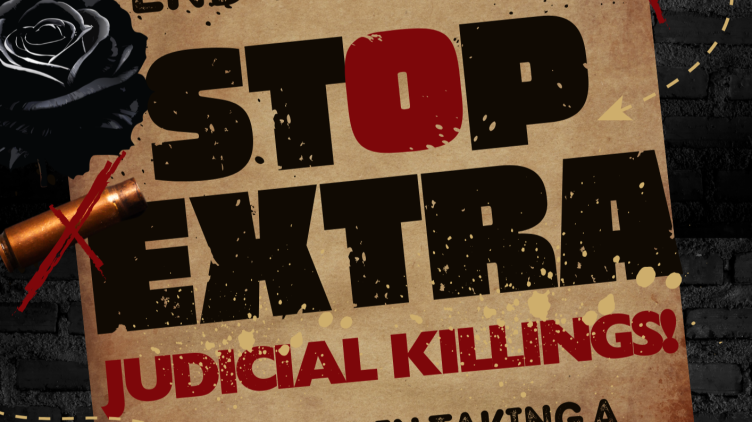

In the heart of Kipkaren estate in Eldoret, a chilling story is unfolding—a story that reflects a broader, grimmer reality gripping Kenya today. A 25-year-old man, Ali, was allegedly arrested, assaulted, and thrown into the Sosiani River by a police officer. He was later found dead. Days later, the only eyewitness to his ordeal was abducted and also found dead.
Even more harrowing is the response to those who dare demand justice. In Kipkaren, peaceful protests erupted following Ali’s death. Rather than respond with empathy, authorities arrested 12 demonstrators. They were denied police bail and held over the weekend before finally being presented in court days later. This is not law and order. This is suppression and intimidation.
Kiling without trial is murder
This is not an isolated tragedy. It’s part of a disturbing escalation of gun violence and state-sanctioned extrajudicial killings that are fast becoming normalized in our country.
Just as the nation begins plea hearings in the Baby Samantha Pendo’s case—an emblematic story of brutal state violence where a six-month-old baby was murdered by police during the 2017 post-election unrest, justice remains painfully elusive. The DPP recently dropped charges against eight police officers originally accused of Baby Pendo’s murder, turning them into state witnesses instead. This move has outraged human rights defenders, who decry the glaring omissions of senior commanders from the charge sheet.
Meanwhile, in a parallel tragedy, we are learning more about the brutal assassination of MP Charles Ong’ondo Were. Shot five times at close range while stopped at a traffic light, his murder was not random. It was calculated, financed, and executed with the efficiency of a criminal enterprise embedded within the fabric of our institutions. Ten suspects are in custody, including a government parastatal board member. Ballistic reports link the murder weapon to other armed robberies in Nairobi and Kiambu. The rot runs deep.
Across these stories runs a common thread: a broken system where violence is rewarded, and justice is delayed or denied. When police officers become executioners, and when murder is an instrument of power, we do not have a justice system. We have a system of impunity.
At CELSIR, we stand with the families of Ali, Baby Pendo, and Charles Were. We echo the voices calling for urgent, meaningful reforms. Accountability is not a luxury. It is a constitutional imperative.
Where do we go from here?
- Revamp Oversight Bodies: The Independent Policing Oversight Authority (IPOA) must be adequately funded, staffed, and given prosecutorial independence.
- Protect Witnesses: The naming of witnesses and victims by the Office of the DPP is reckless and must stop. Witness protection should be sacred.
- End Command Impunity: Senior officers who plan and command lethal operations must face justice alongside foot soldiers.
- Restore Public Confidence: Transparent prosecutions, public reporting, and institutional reforms are critical to restoring trust in the criminal justice system.
- Empower Communities: Civic education, community policing, and trauma support must be integrated into our long-term response.
Justice is not a gift from the powerful. It is the right of every Kenyan. We must not tire. We must not be silent.
Let this be the moment we say: Enough. Not one more name. Not one more life.
Article By:
Anne Munyua
Executive Director, Celsir-Africa