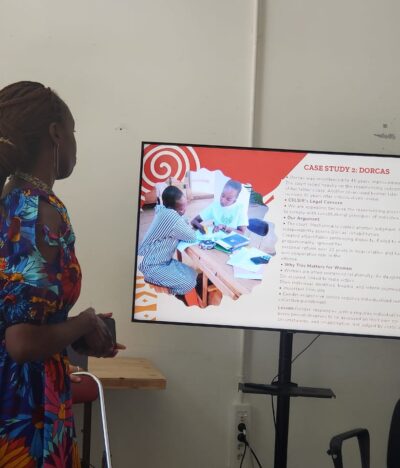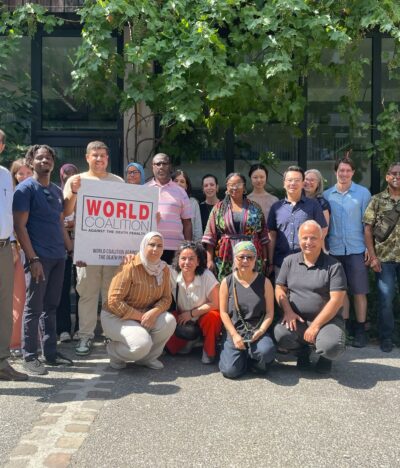

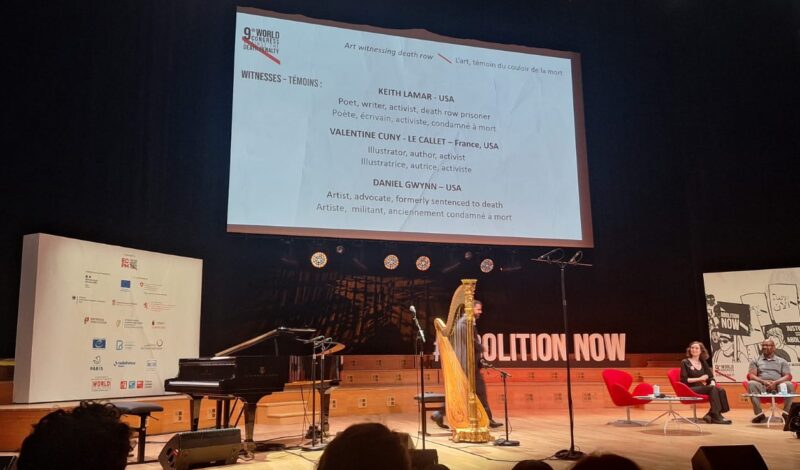

The opening day of the 9th World Congress Against the Death Penalty in Paris brought together one of the most diverse assemblies of justice advocates in the world. Government representatives, parliamentarians, judges, prosecutors, lawyers, academics, researchers, civil society organizations, victims’ families, exonerees, and people with lived experience gathered around a common objective: advancing the global movement toward abolition.
For CELSIR, the experience has reinforced several important lessons.
Abolition Is Not the Finish Line
Perhaps the strongest message emerging from the Congress is that abolition is not permanent simply because it has been achieved. Countries that abolished the death penalty decades ago continue to experience political and public calls for its return.
This reality reminds us that the values underpinning abolition, human dignity, fairness, proportionality, and the possibility of rehabilitation, must continually be defended. Advocacy cannot stop once legislation changes.
Evidence Must Drive Public Debate
Throughout the discussions, experts repeatedly highlighted the importance of research, empirical data, and evidence.
Many assumptions surrounding the death penalty continue to shape public opinion despite decades of research demonstrating its limited deterrent value and the risks of irreversible miscarriages of justice.
Universities, research institutions, and legal clinics therefore have an essential role in generating credible evidence that informs public policy.
Leadership Matters
President Emmanuel Macron’s opening address reaffirmed France’s commitment to abolition and universal human rights.
Political leadership is particularly important during moments of heightened public emotion. Defending fundamental rights often requires courage, especially when public opinion is divided.
Justice Is About More Than Punishment
The Congress continually returns to one central principle: justice should protect society while preserving human dignity.
This means investing in effective legal representation, fair trials, rehabilitation, victim support, and stronger criminal justice institutions rather than relying solely on harsher punishments.
What This Means for Africa
For CELSIR, these conversations are directly relevant to our work in Kenya and across Africa.
Our mission extends beyond advocating against capital punishment. We work to strengthen access to justice, improve legal representation for vulnerable persons, support rehabilitation, and promote reforms that create safer, fairer communities.
The Congress has only begun, but one conclusion is already evident: ending the death penalty is not merely a legal reform. It is part of the broader work of building justice systems that are humane, accountable, evidence-based, and capable of restoring hope.
We look forward to sharing more lessons from Paris in the coming days as we continue engaging with partners from around the world.
Article By:
Anne Munyua
Anne Munyua is Founder & Executive Director of the Center for Legal Support and Inmates’ Rehabilitation (CELSIR), a Kenya-based organization providing legal aid, strategic litigation, and rehabilitative support to persons in conflict with the law.