
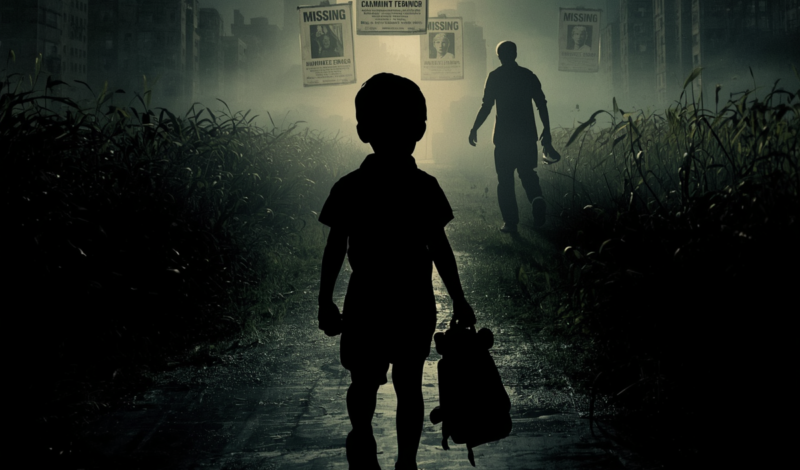

When Children Disappear, Society Must Pay Attention
Who Failed Them?
The Protection Chain
The Role of Public Institutions
The Best Interests of the Child
- Prevention
- Early identification of risks
- Timely response
- Sustained support for vulnerable children and families
Moving Beyond Punishment
Restorative Approaches in Schools
- Calm engagement
- Counseling
- Parental involvement
- Restorative dialogue
- Understanding
Protecting Children’s Rights
- Education
Public outrage, social media campaigns, and premature judgments can sometimes result in school exclusion, stigmatization, or disruption of a child’s learning environment. Our interventions should seek to keep children safely in school and supported, not inadvertently push them further to the margins.
- Privacy
Children’s identities, photographs, personal histories, medical information, and family circumstances should be protected. Once information enters the public domain, it can remain accessible for years, exposing children to lifelong consequences for circumstances beyond their control.
- Recovery
Whether a child has experienced abuse, neglect, exploitation, family conflict, or another traumatic event, healing requires safety, stability, professional support, and time. Excessive publicity can reopen wounds, retraumatize victims, and interfere with the recovery process.
- Protection from stigma
Labels such as “problem child,” “victim,” “offender,” or “child of a criminal” can follow a young person long after the incident has passed. Such stigma can affect friendships, educational opportunities, mental health, employment prospects, and social acceptance well into adulthood.
The principle of the best interests of the child requires that every decision, whether by families, schools, the media, civil society, or government agencies, be guided by one central question: “Will this action genuinely protect and improve the life of this child?” Sometimes the most effective intervention is not the loudest one. It is the thoughtful, coordinated, rights-based response that protects the child while addressing the underlying problem.
The goal should never be to create headlines. The goal should be to create safer environments where children can learn, recover, thrive, and grow into healthy adults.
A Multi-Agency Approach
Difficult Questions
The Role of Teachers
Long-Term Care for Survivors
Children in Conflict with the Law
- Education support
- Skills empowerment
- Mentorship
- Reintegration programs
The Uncomfortable Truth
A Call to Action
- Families
- Schools
- Hospitals
- Police
- Probation officers
- Courts
- Religious institutions
- Civil society
- Communities themselves